
Solar Inverter Price in Pakistan
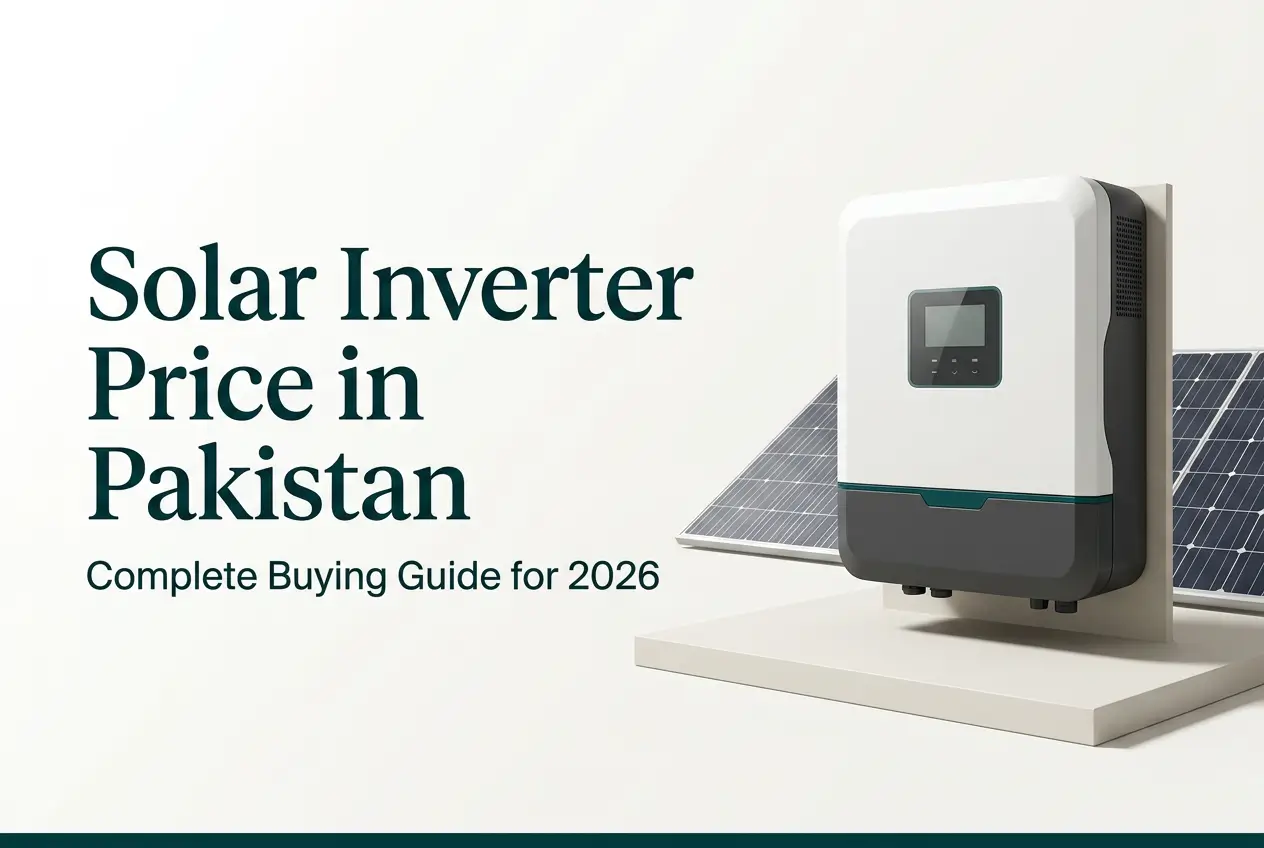
Solar Inverter Price in Pakistan: Complete Buying Guide for 2026
Choosing the right solar inverter is one of the most important decisions when installing a solar energy system. The inverter controls how electricity generated by solar panels is converted, distributed and used throughout your home or business. Whether you want to reduce electricity bills, operate appliances during load-shedding or build a complete solar backup system, selecting the right inverter can make a significant difference.
The solar inverter price in Pakistan depends on several factors, including inverter capacity, brand, technology, battery compatibility, warranty and available features. Prices also change with import costs, exchange rates and market availability.
In this guide, ChiraghTec explains different inverter types, estimated market prices, popular capacities, important buying considerations and ways to choose an inverter that matches your electricity requirements. By the end, you will have a clearer understanding of which solar inverter is suitable for your home, shop or commercial property.
Understanding Solar Inverters and Their Importance
A solar inverter is an essential component of a solar power system. Solar panels generate direct current (DC) electricity, while most household and commercial appliances operate using alternating current (AC). The inverter converts the electricity into a usable form.
Modern solar inverters do much more than convert electricity. Depending on their technology, they can manage battery charging, monitor electricity production, control energy distribution and connect solar systems to the electricity grid.
For Pakistani households, an inverter should be selected according to daily electricity consumption, available sunlight, backup requirements and future expansion plans.
For example, a household that mainly wants to reduce daytime electricity consumption may benefit from an on-grid inverter. A family that experiences frequent power interruptions may prefer a hybrid inverter with compatible battery storage.
Understanding these differences before purchasing can help prevent unnecessary expenses and improve the long-term performance of your solar installation.
Different Types of Solar Inverters Available in Pakistan
Before comparing prices, understand the three major inverter categories available in the Pakistani market.
1. On-Grid Solar Inverters
On-grid inverters connect solar panels directly to the electricity grid. During sunlight hours, the system converts solar energy into electricity that can power household appliances. Depending on the approved grid connection and applicable regulations, surplus electricity may be exported.
These inverters are generally suitable for properties with reliable grid availability and customers primarily interested in reducing daytime electricity consumption.
One important limitation is that conventional on-grid systems automatically shut down during a grid outage for electrical safety. Therefore, they do not provide backup electricity during load-shedding unless an approved backup arrangement is included.
2. Hybrid Solar Inverters
Hybrid inverters combine solar power management with battery storage and grid connectivity. They can manage electricity from solar panels, batteries and the grid according to system configuration.
These systems are popular among Pakistani homeowners who want to reduce electricity expenses while maintaining backup power.
A compatible battery allows the system to store excess solar energy for use when sunlight is unavailable. Some models also support battery-free operation under specific configurations.
When evaluating hybrid models, check battery voltage compatibility, maximum charging current, supported lithium battery communication protocols and backup output capacity.
3. Off-Grid Solar Inverters
Off-grid inverters operate independently of the public electricity grid. They use solar panels and battery storage to supply electricity to connected appliances.
They can be useful for farms, agricultural locations, remote properties and areas with limited grid access.
However, their performance depends on proper battery sizing and solar generation. A system designed without sufficient storage may struggle to supply electricity during extended cloudy periods or high nighttime consumption.
Solar Inverter Price in Pakistan by Capacity
Inverter capacity is one of the main factors affecting purchase cost. Smaller systems are generally suitable for limited household loads, while larger capacities are designed for properties with multiple air conditioners, pumps and other high-power appliances.
The following figures are indicative market ranges collected from publicly available Pakistani market guides in 2026. They are not confirmed ChiraghTec quotations. Actual prices depend on brand, model, warranty, availability and technical specifications.
| Inverter capacity | Indicative price range |
|---|---|
| 3kW–4kW | Rs. 68,000–185,000 |
| 5kW–6kW | Rs. 90,000–320,000 |
| 8kW | Rs. 235,000–405,000 |
| 10kW | Rs. 180,000–550,000 |
| 12kW–15kW | Rs. 340,000–850,000 |
These ranges combine different inverter technologies and market segments, so they should not be interpreted as like-for-like comparisons. Market references and additional price comparisons.
3kW and 4kW Solar Inverters for Small Homes
Small-capacity inverters can be suitable for households with relatively low electricity consumption. They may support lighting, fans, televisions, refrigerators and other essential appliances, provided their combined starting and running loads remain within the inverter’s limits.
Before choosing this capacity, calculate the total appliance load rather than relying only on the number of rooms or property size.
5kW and 6kW Solar Inverters for Family Homes
Five and six-kilowatt inverters are popular choices for residential solar installations. Depending on their specifications, they may support multiple household appliances and selected inverter air conditioners.
Their suitability depends on simultaneous power consumption, starting current, solar panel capacity and battery configuration.
8kW and 10kW Solar Inverters for Larger Properties
Larger homes and small businesses may require higher-capacity systems. An 8kW or 10kW inverter can support greater electrical demand, but buyers should carefully check single-phase or three-phase compatibility.
The inverter’s maximum PV input is also important because its rated AC output and permitted solar panel capacity are not necessarily identical.
Popular Solar Inverter Brands to Consider
Brand selection should involve more than comparing advertisements or choosing the cheapest available model. Buyers should examine manufacturer specifications, warranty terms, technical support and local availability.
Inverex
Inverex is a familiar name in Pakistan’s solar market. Its inverter range includes different capacities and configurations for residential and commercial applications.
When comparing models, examine the actual product specifications, battery support and warranty coverage.
GoodWe
GoodWe offers inverter solutions for residential and commercial applications. Its product range includes hybrid and grid-connected models with different power capacities.
Some models offer advanced energy management, monitoring and battery integration.
Growatt
Growatt manufactures solar inverters for residential and commercial installations. Its product range includes grid-connected and hybrid solutions.
Buyers should compare MPPT configuration, PV input limits, battery compatibility and available monitoring features.
Solis
Solis provides solar inverter solutions across residential and commercial categories. Its products include different capacities and configurations for various installation requirements.
The best model depends on your system design, grid connection and intended application.
Huawei
Huawei offers advanced solar inverter technology, including smart monitoring and energy management features in supported models.
Before purchasing, verify the exact model’s battery compatibility, installation requirements and local warranty arrangements.
How to Choose the Right Solar Inverter for Your Home
Choosing an inverter based only on its advertised capacity can result in an unsuitable installation. A proper assessment should consider your electricity requirements and future plans.
Start by listing the appliances you want to operate using solar power. Include their wattage and whether they will run simultaneously.
Next, identify appliances with high starting current. Refrigerators, pumps and air conditioners can demand additional power when their motors start.
After calculating your expected load, discuss the appropriate inverter capacity with a qualified solar installer.
You should also consider battery requirements. If you want backup electricity during load-shedding, make sure the inverter supports the battery technology and voltage you intend to use.
Finally, check the manufacturer’s datasheet, protection rating, warranty and availability of technical assistance.
Hybrid vs On-Grid Solar Inverter: Which Is Better?
The decision between hybrid and on-grid technology depends on how you plan to use electricity.
An on-grid inverter may be a practical option when your main objective is to use daytime solar generation and reduce electricity purchased from the grid.
A hybrid inverter may be more appropriate when you need backup electricity and want the flexibility to integrate battery storage.
However, hybrid technology generally involves additional equipment costs. You should compare the complete system rather than considering the inverter purchase price alone.
Consider your nighttime electricity consumption, expected battery investment and applicable grid-export regulations before making a decision.
Important Features to Check Before Buying a Solar Inverter
Several technical features influence inverter performance and suitability.
MPPT technology: Maximum Power Point Tracking helps the inverter extract available power from solar panels. Check the number of MPPT trackers and their individual input specifications.
Conversion efficiency: Higher conversion efficiency can reduce energy losses during electricity conversion. Compare official datasheet figures rather than relying on promotional claims.
Protection rating: IP ratings indicate protection against dust and water ingress. Installation location should determine the protection level required.
Battery compatibility: Hybrid buyers should verify supported battery voltage, chemistry and communication protocols.
Monitoring system: Wi-Fi or other supported monitoring options can help users check electricity generation, consumption and battery status.
Warranty and after-sales service: Confirm the warranty period, registration procedure, service provider and conditions that could invalidate coverage.
Why Buy Solar Inverters from ChiraghTec?
Choosing the right supplier is just as important as choosing the right equipment. Buyers need clear product information, genuine specifications and assistance when comparing different inverter models.
ChiraghTec offers a range of solar and electrical products, including solar inverters, hybrid inverter solutions, batteries, solar panels, electrical wires, breakers and related accessories.
The website includes products from different brands and capacity categories, allowing customers to explore options according to their requirements.
Rather than selecting a model based entirely on its advertised price, compare its specifications, warranty and suitability for your solar system.
ChiraghTec aims to make the buying process easier by bringing solar and technology products together in one place.
You can explore the available solar inverter collection and hybrid solar inverter collection to compare available products.
Common Mistakes to Avoid When Purchasing a Solar Inverter
One common mistake is purchasing an inverter without calculating the actual electrical load. This can cause overloading or unnecessary expenditure on excessive capacity.
Another mistake is ignoring battery compatibility. Not every hybrid inverter supports every lithium battery, and incorrect communication settings can affect system operation.
Some buyers also focus entirely on the initial purchase price. A cheaper model may have a shorter warranty, fewer protection features or limited local technical support.
Installation conditions matter too. Poor ventilation, excessive heat, moisture and dust can affect equipment performance.
Finally, avoid purchasing products without checking the model number, manufacturer documentation, warranty terms and supplier support.
Conclusion: Find the Right Solar Inverter with ChiraghTec
Selecting the right inverter requires balancing your electricity requirements, budget, backup expectations and long-term reliability. Whether you need a small residential system or a larger hybrid installation, understanding the available technologies will help you make a more informed purchase.
Compare specifications, check battery compatibility and confirm warranty coverage before placing an order. Do not choose an inverter based on price alone.
Explore the available solar inverter products at ChiraghTec through https://chiraghtec.com/ and find a suitable solution for your solar energy requirements. Contact the store to confirm current pricing, product availability and technical details before purchasing.
Frequently Asked Questions About Solar Inverters in Pakistan
1. What is the average solar inverter price in Pakistan?
The price depends on inverter capacity, technology and manufacturer. Small models may start below Rs. 100,000, while premium hybrid and commercial systems can cost several hundred thousand rupees. Always compare the exact model, warranty and features before deciding.
2. How much does a 5kW solar inverter cost in Pakistan?
A 5kW inverter can have substantially different prices depending on whether it is on-grid, off-grid or hybrid. Brand, battery compatibility and protection features also influence the price. Request a current quotation for the exact model instead of relying on a general market estimate.
3. Which solar inverter is best for a home in Pakistan?
The best inverter depends on your household electricity consumption and backup requirements. A hybrid model may suit families that need battery backup, while an on-grid model may work for households primarily interested in daytime solar generation.
4. What is the difference between hybrid and on-grid inverters?
A hybrid inverter can manage solar energy, grid electricity and compatible battery storage. An on-grid inverter primarily connects solar generation to the electricity grid. Conventional on-grid inverters shut down during grid outages, whereas properly configured hybrid systems can provide backup power.
5. Can a hybrid solar inverter work without batteries?
Some hybrid inverters support battery-free operation during suitable conditions. However, this depends on the specific model, its configuration and manufacturer specifications. Without batteries, backup electricity during nighttime or grid outages may not be available.
6. Which inverter capacity is suitable for a 5 marla house?
A 3kW to 6kW inverter may be worth considering for some 5 marla properties. However, the correct capacity depends on appliance consumption, air-conditioning requirements, simultaneous loads and planned backup duration. A professional load assessment is recommended.
7. How long does a solar inverter last?
The lifespan varies by manufacturer, installation conditions, usage and maintenance. Proper ventilation, protection against moisture and dust, and regular inspection can help maintain performance. Always review the manufacturer’s warranty because warranty coverage and expected product lifespan are different things.
8. Can I run an air conditioner on a solar inverter?
Yes, if the inverter has sufficient capacity and is compatible with the air conditioner’s electrical requirements. Check the AC’s running consumption, starting demand and other appliances operating simultaneously. Battery backup also requires suitable battery capacity.
9. Where can I buy solar inverters near me in Pakistan?
You can explore solar inverter products online through ChiraghTec at https://chiraghtec.com/. Check the available models and contact the store to confirm stock, delivery availability, warranty and current prices for your location.
10. What should I check before purchasing a solar inverter?
Check the inverter’s rated output, PV input capacity, MPPT configuration, battery compatibility, protection rating, warranty and manufacturer support. Also confirm that the product is suitable for your electrical connection and intended installation. Request a written quotation that clearly identifies the model and included accessories.